STAY: we trained 12 youth workers to spot quiet quitting among young people
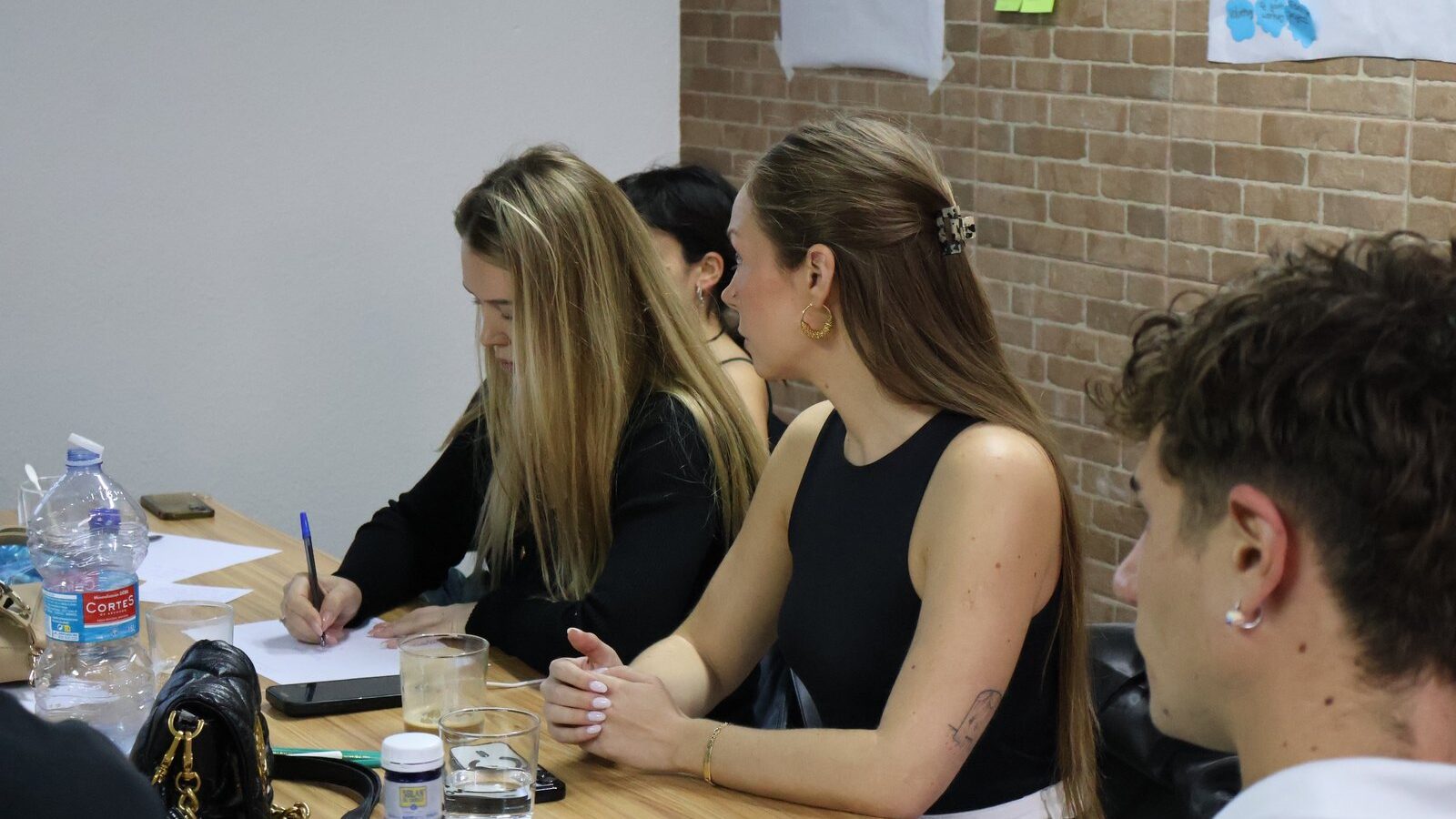
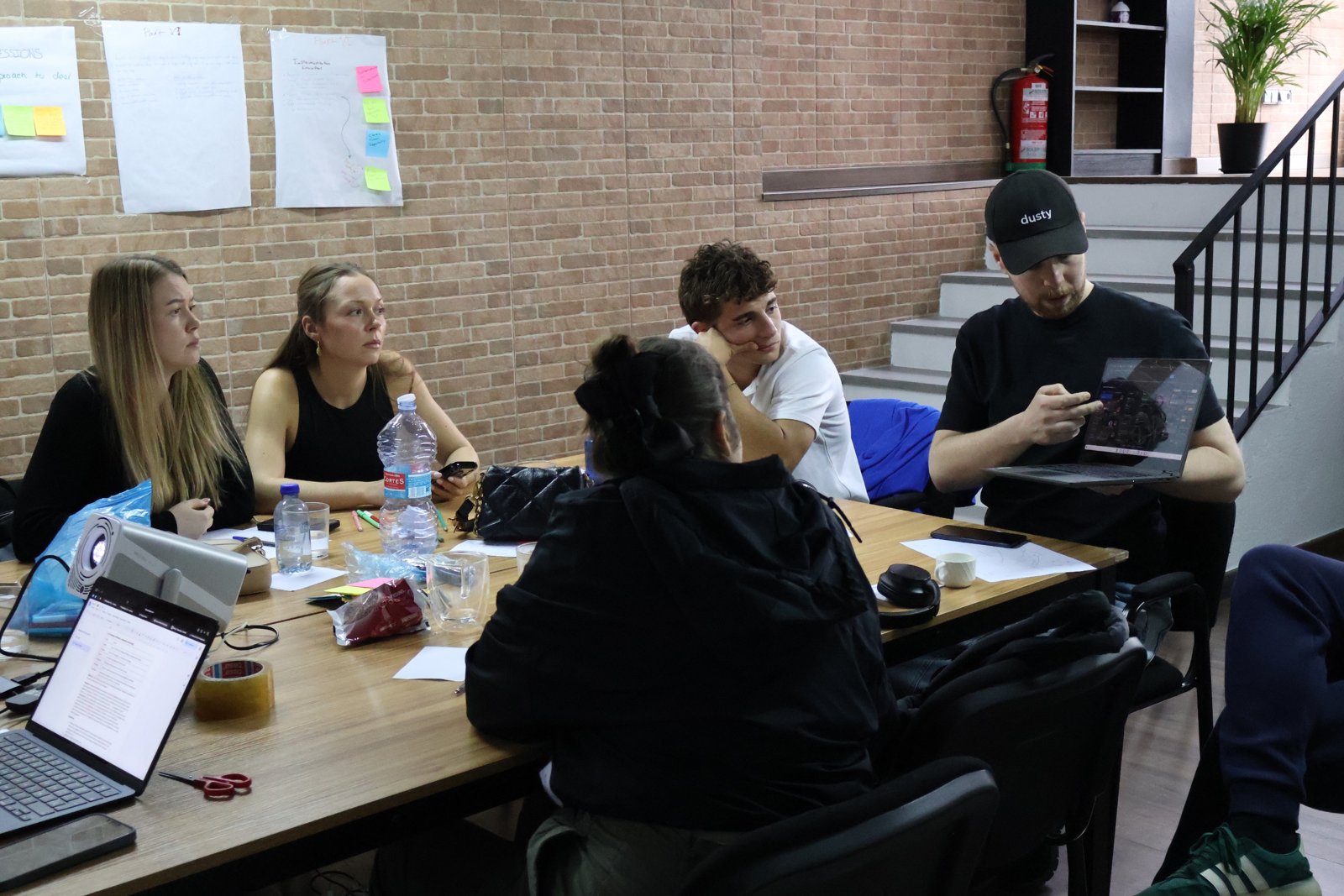
In November we welcomed 12 youth workers from Spain, Croatia and Iceland to Mislata (Valencia) for the training workshop of the STAY project. We spent five days working on one underlying question: what can we do when a young person starts to disconnect and doesn’t say so?
That is what is called quiet quitting: the silent disengagement of young people aged 18 to 28 from their work, their studies or the programmes they take part in. They do the bare minimum, get less and less involved, and often nobody notices until they have already left.
What we worked on
First we set out to understand the phenomenon without judging it: what quiet quitting is and what it isn’t, why it affects this generation so much, and what role social media plays. We also agreed on our working rules and the limits of our role, so we know when it is up to us to act and when to refer someone to another service.
Then came the more practical part. Through role-plays we practised four micro-skills for opening difficult conversations, and we adapted our language to different groups of young people: NEETs, young people from rural areas and young people with disabilities. Every participant tried out the STAY Risk Scanner, a tool that produces a personalised report on the risk of disengagement.
Finally, we looked at what comes next. Each participant prepared a plan to put STAY into practice in their organisation, mapped the services in their area where they can refer young people (mentoring, guidance, employment services) and closed the training with their Youthpass reflection.
What the participants told us
At the end we ran an evaluation questionnaire. These are the results from the answers we have received so far:
- Everyone who answered understands quiet quitting better than before the workshop. Some had never heard of it when they arrived.
- Most feel fully prepared to run the workshop with young people in their own context.
- The facilitation team got the top score in every answer.
- For half of them the workshop exceeded their expectations; for the other half it was almost exactly what they expected.
When we asked what they were taking home, we heard things like these:
“Concrete strategies for detection and how to deal with it, plus lots of resources we have at our disposal.”
“How important it is to notice quiet quitting and act in the right way.”
We also took home a suggestion for improvement: more time for practical activities and for sharing experiences between participants. We will keep it in mind for future editions.
What now?
The participants go back to their organisations with their own plan and with the STAY Handbook as a guide. The next step is to bring what they learned to the pilot workshops with young people in each country.
Thank you to everyone who came from Croatia, Iceland and different parts of Spain. It was a pleasure working with you!
STAY (Skills for Thriving, Agency and Youth Engagement) is an Erasmus+ small-scale partnership coordinated by Rafíþróttasamband Íslands (Iceland) with Pannonia Consulting (Croatia) and PILCROW.
Funded by the European Union. Views and opinions expressed are those of the author(s) only and do not necessarily reflect those of the European Union or the granting authority. Neither the European Union nor the granting authority can be held responsible for them.
Photo gallery